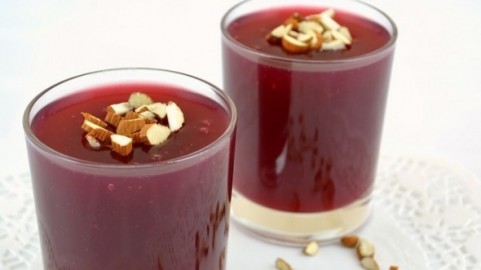
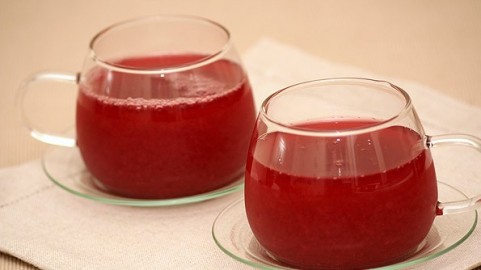
Kissel is an original drink that is highly valued for its perfect taste, excellent aroma and useful properties, since Kievan Rus times.
In Rus fragrant and tasty kissel was made from oats, wheat and other cereal crops. Now it is boiled mostly from fresh or dries berries and fruits, fruit-and-berry juices and syrups adding potato or corn starch, which makes it very thick.
The starch makes kissel very nourishing and caloric, and fruits and berries - very healthy and rich with vitamins.
Besides fruit ones, there are dairy and oat kissels, as well as kissels boiled from peas and vegetables.
Ingredients
Cherries (fresh/chilled) 200 g
Sugar 7 tbsp
Potato starch 3 tbsp
Water 1 l
Stages of cooking
1
Put the chilled cherries into the casserole; cover with water and cook over a medium heat.
2
Mash the cherries when the water boils therefore the beverage will be richer in taste. Cook for 5-7 mins.
3
Remove the cherries from the beverage.
4
Add the sugar, stir well; continue cooking.
5
Put the potato starch into the glass.
6
Pour the half-glass of water; mix well.
7
Pour the starch into the beverage, stirring all the time.
8
The kissel will be medium thick.
Discover the secrets of traditional Ukrainian cuisine
Install our unique App and inspire yourself with the most delicious Ukrainian recipes!
Lazy vareniki is a traditional Ukrainian dish. They are called lazy, while they demand less cooking time and efforts than traditional ones.
It is nothing else, but boiled dough mixed with stuffing - mostly curd. Lazy vareniki can be also made with potatoes, meat or mushrooms.
Depending on stuffing they may be salty or sweet. Both are served with so
The fertile Ukrainian soil always gives a great marrow’s harvest therefore the marrow paste is one of the well-loved summer dishes of Ukrainian. The marrow paste is spread over bread or simply eaten with a spoon. It’s a great appetizer or compliment to any dish.
Besides marrows, the paste boasts onions and carrots, in particular. Also there are se
It's impossible to imagine authentic Ukrainian cuisine without homemade sausage. This is an absolutely natural and unique product.
Meat (often pork, sometimes beef) and salo (pork fat) are used in order to cook homemade sausage. Pig's gut is stuffed with meat and salo, boiled, and then fried on pan or baked in oven
Homemade sausage is traditional U
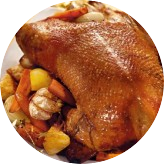
Many people tend to associate the stuffed goose with a holiday. Firstly, because this dish looks festive and imposing, secondly, it is very delicious and mouth-watering. The recipe itself is very simple; however it requires lots of time and preparation because the goose should be marinated from night to soak in necessary amount of spices. There are