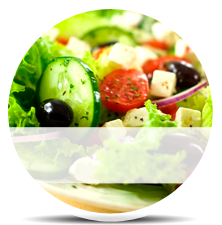
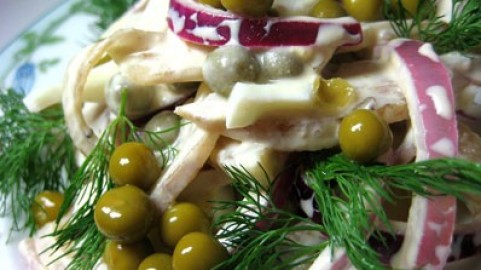
This airy salad is definitely applied to the contemporary Ukrainian cuisine. It is better to eat the salad for breakfast, however due to high level of vitamin it can provide the energy and strength all day long.
The cutlets are widely considered to be an everyday dish. Therefore the Ukrainian housewives try to diversify the fare and give necessary and rare vitamins to organism so they cook tender and rich fish cutlets. Any fish will do from pollock or walleye to pike and cod.
The pumpkin is a very beneficial product that is consumed almost all year long in Ukraine. The age-old Ukrainian pumpkin porridge is made with cereals; however the modern cookers use rice instead. Another contemporary complements to the porridge are raisins, dried pears, apricots and other dried fruits.
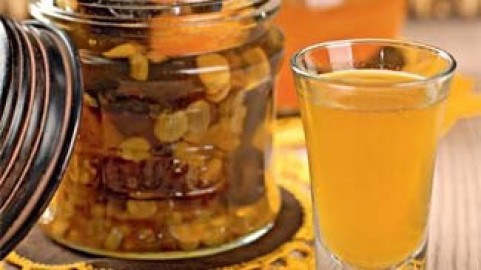
The varenukha is an authentic Ukrainian hot beverage, which is made of vodka or liquor with dried fruits, raisins, etc., honey, cinnamon or spicy roots. It is peculiarly cooked – mixed ingredients are placed in clay pot topped with dough or with a lid on, and then put into heated oven (from 5 hrs to 24 hrs). It is an easy-to-cook beverage however lots of time is required. Therefore if you want to surprise your guests, it’s better to take care of it beforehand.
It’s is an unusual salad for smoked food’s lovers. The salad boasts a successful combination of the piquancy crispy pig’s ears and the freshness of cucumbers.
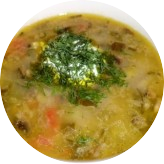
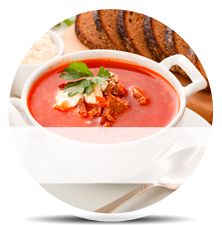
Traditionally, this dish is cooked over fire outdoors in a big kettle and is considered to be one of the protagonists on vibrant Ukrainian feasts and weddings. In general, it is an aromatic soup that bears a vague resemblance to rassolnik. The meat godz is made with meat bones stock. This recipe is tailored to be made at home and it will be as tast
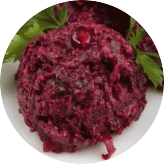
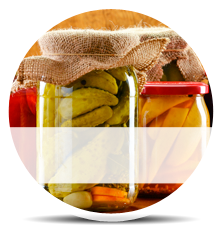
It is very delicious and easy-to-cook traditional Transcarpathian dish. Usually it complements the meats. The salad can be cooked beforehand as it might be stored in the fridge in a sealed glass jar.
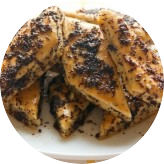
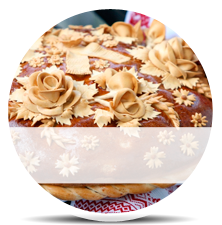
It is a traditional Ukrainian pastry, which is made during orthodox holiday, Honey Spas (the middle of August). It is a rather simple pastry with poppy-seeds saturated with honey.
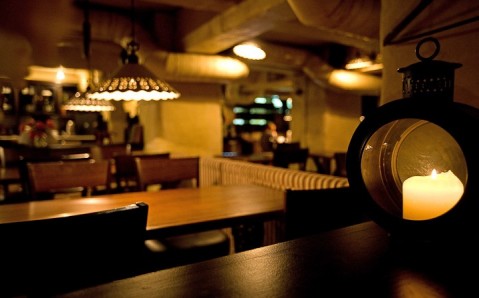
Located in the cellar premises at Dnipropetrovsk's very center, the original cafe 'Myshi Blyakhera' is designed as a second-hand bookstore. According to legend, facility's concept was born, when during renovations a note-book that previously was owned by some Mikhail Blyakher was found under the wooden floor. This diary contained personal records a
The restaurant is located in the historical building at Dnipropetrovsk's very center - at the intersection of Karla Marksa Avenue and Barrikadnaya Street.
The restaurant 'Reporter's menu includes culinary hits from different cuisines, but it's based on traditional European dishes. You may try simple well-known dishes and true gastronomic masterpie
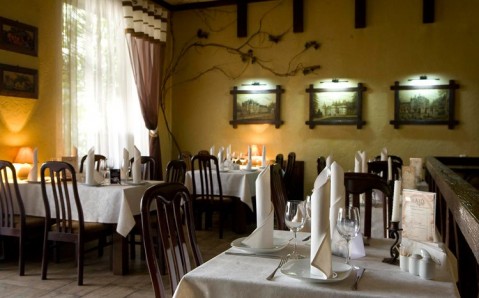
Situated in Kharkiv historical center, the restaurant Shato is a perfect place, where one can rest from the urban hustle and bustle and enjoy irreproachable dishes.
The facility specializes on dainty French culinary masterpieces. An extensive wine list, featuring the best French, Italian, Argentinean, Spanish, Chilean, Georgian and Ukrainian wines,
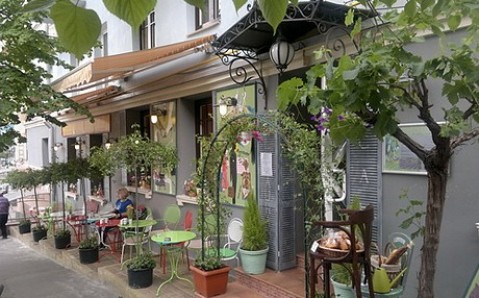
Situated on the Maidan Nezalezhnosti, at the beginning of the Kostelnaya Street, the restaurant Très Français (French for 'very French') embodies its name surprisingly precisely: exquisite interior, mores, spirit, traditions and little rituals typical for France.
On the first floor you will find the room 'Montmartre' with picturesque vinous decor a


 We recommend